
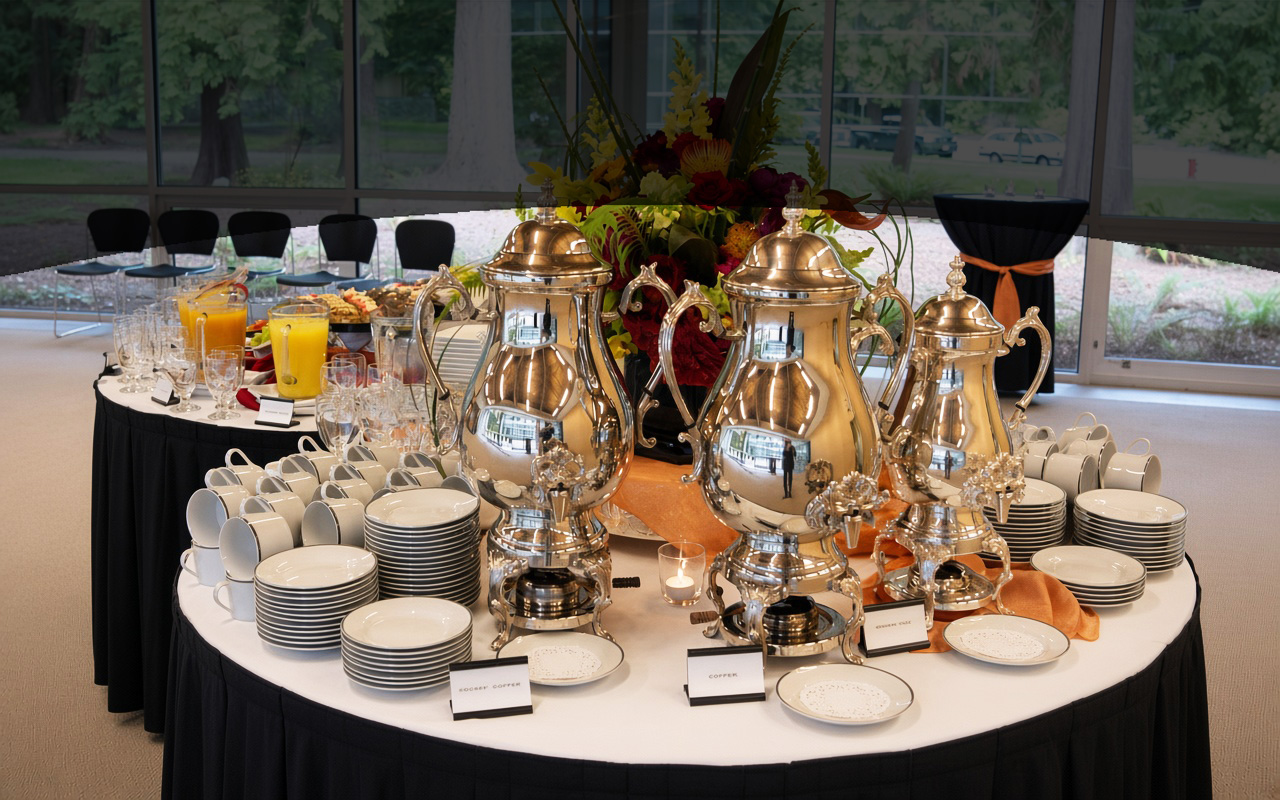
Tip #5 – Catering & Menu – Choosing the Right Menu For Everyone To Enjoy & Remember.
Tip #5 – Catering & Menu – Choosing the Right Menu For Everyone To Enjoy & Remember.
Now that your venue and date are locked in (see Tip #4 – Date & Venue) here’s where things get personal — the menu. Done right, this is the part your guests will talk about for years. It’s worth getting it right.
First question: did your venue already answer this for you? If they require in-house catering or handed you a preferred vendor list, some of the decision is already made. If you have an open kitchen and full freedom, you have more work ahead — but also more control. Either way, the principles stay the same.
What to Consider Before You Finalize the Menu
1. Service Style
Plated, buffet, family-style or food stations each carry a different cost, a different feel and a different amount of staff needed to pull it off. Plated service feels more formal and controlled. Buffet and stations can feel relaxed and social but need careful traffic flow and enough stations to avoid long lines. Family-style sits in the middle — generous and warm yet still requires good timing from the kitchen and servers.
Choose the style that matches the overall tone of your day and the realities of your venue layout and staffing budget.
2. Dietary Needs
Ask your guest list about allergies, vegetarian/vegan needs and cultural or religious dietary restrictions before you finalize a menu. The earlier you collect this information, the easier it is for the caterer to plan without last-minute scrambling. A well-run kitchen can accommodate most requests when they know about them in advance.
3. Tastings
Never book a caterer without a tasting. What sounds great on paper doesn’t always land on a plate. A good tasting should show you the actual portion sizes, presentation and timing you will receive on the day — not a perfect “show” plate that never appears again.
4. Staffing Ratios
Ask how many servers and bartenders per guest are included. Too few staff turns a great menu into a slow, frustrating night. A common starting point is one server for every 10–12 guests for plated service and slightly higher ratios for buffet or stations, but always confirm what your specific caterer recommends for your headcount and service style.
5. Contracts and Per-Head Pricing
Get the final headcount deadline in writing. Most caterers require a guaranteed number 5–10 days out and you are billed on that number, not who actually shows up. Clarify what happens if your final count drops or rises and make sure service charges, cake-cutting fees, corkage and overtime are clearly listed.
Drink & Bar Budget – Why This Line Item Can Explode
Unlike plated meals (guest count × fixed price), alcohol is highly variable. Consumption changes with the style of service, the time of day, whether bottles are left on tables and how the bar is managed. This is one of the biggest swing factors in your overall Budget – Tip #3, so decide it deliberately, not last-minute.
Typical Consumption Guidelines (from real events)
These are practical averages I have used over many years. Adjust them for your crowd, time of day, and service style:
• Stand-up cocktail / reception hour: approximately 1.25 drinks per person per hour
• Wine at dinner: Bottles left on the table after the first pour by a waiter: approximately 1.5 glasses per person per hour
• Once dancing starts: often rises to approximately 2 drinks per person per hour (crowd-dependent)
• Champagne toast: 1 bottle typically yields 5 full glasses or about 7 glasses if waiters pour short/half glasses for the toast only.
Service Style Choices That Help Control Cost
• Full open bar with lots of variety — highest cost. Guests tend to choose premium items and consumption rises.
• Limited open bar (beer, wine + one or two signature cocktails) — more predictable and still feels generous.
• Cash bar or ticket bar — significantly reduces consumption.
• Punch service (alcoholic and non-alcoholic) — excellent cost control and can feel festive and welcoming.
• Bottles left on tables vs. waiter-poured only — leaving bottles on the table after the first pour usually increases wine consumption.
Because so many variables affect the final number, treat the bar as a flexible budget line rather than a fixed one. Build in a contingency. Decide early whether you want a full open bar, limited selection, cash/ticket system or punch service. Portion control is highly manageable when planned in advance — and I will be covering portion standards and consumption calculations in more detail on my YouTube channel.
Questions Worth Asking Your Caterer
A clear conversation early prevents surprises later. Consider asking:
• What service styles do you recommend for our guest count and venue layout?
• How do you handle dietary restrictions and allergies?
• What is included in the per-person price, and what is extra?
• What staffing ratios do you use for our chosen service style?
• When is the final guaranteed headcount due and how is billing handled if numbers change?
• Can we see a sample of the actual plates and portion sizes we will receive?
• How do you manage bar service and consumption tracking?
Putting It All Together
A great menu isn’t about impressing people with complexity — it’s about consistency, timing and making sure every single guest feels taken care of. That is the whole game. Once the menu and bar approach are locked, you can move forward with confidence into the rest of the planning sequence, including Invitations and Save-the-Dates.
If you are planning a wedding, you will also find helpful context on the overall process on the Weddings page.
One Last Thought
The food and drink set the tone for how people feel throughout the evening. When the timing is right, the portions are consistent and the bar is thoughtfully managed, guests notice — even if they can’t put their finger on exactly why the night felt so smooth.
Have a wonderful time!
Steve
For more specific details on this topic and so many more topics related to Catering, Event Planning or Wedding Organizing, visit My YouTube Channel. I’ll share my 40+ years of successes and some close calls working as a high-level Catering Event Manager — all the best tips, suggestions and money-saving opportunities in one place.
Download Free & Premium Wedding & Event Planning Tools
Practical templates used for real weddings and events. Download and start using them today.
Click any image to Enlarge
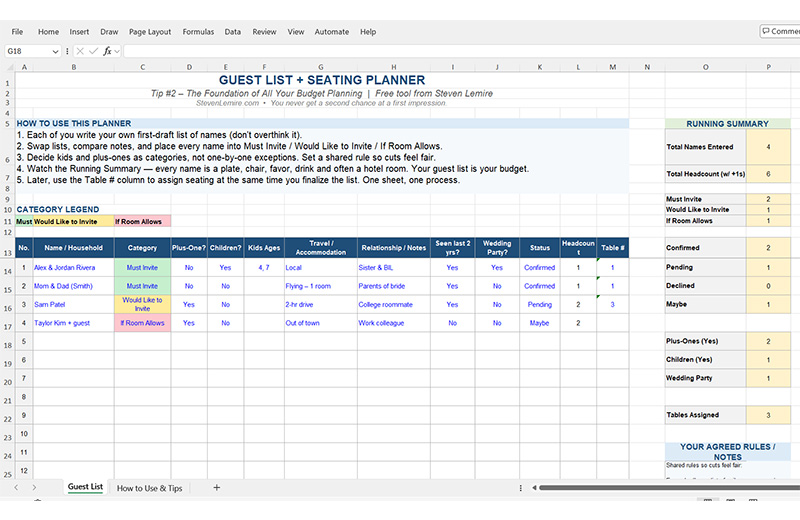
Guest List + Seating Planner
Organize Guests, Track RSVPs & Assign Tables in One Sheet.
FREE
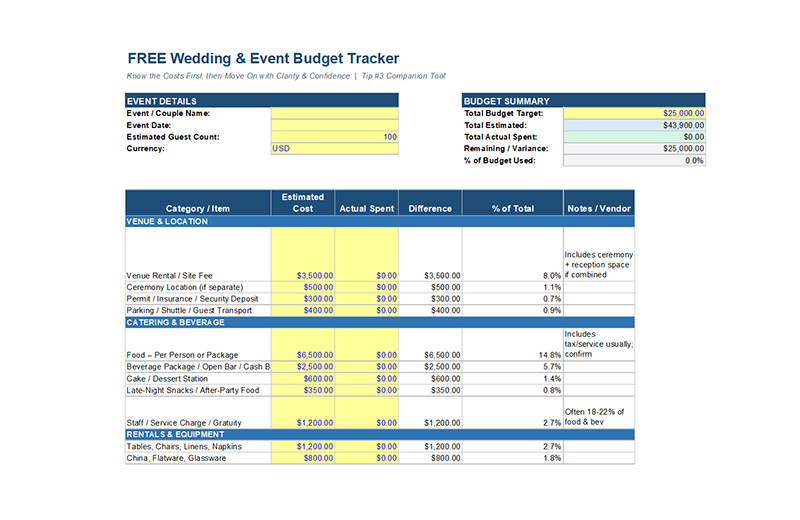
Wedding/Event Budget Tracker
Excel with Automatic Calculations or Printable Word Version
FREE
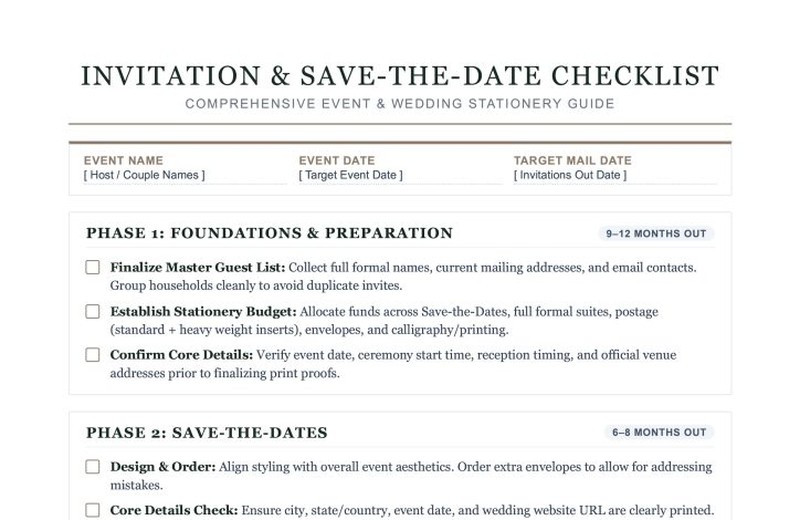
Invitation & RSVP Checklist
Printable Timing Guide Checklist to Keep Everything on Track.
FREE
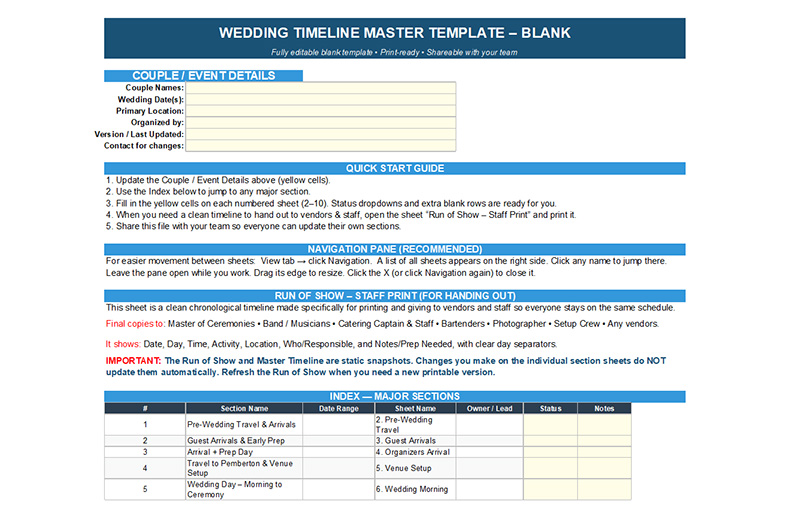
Event Master Timeline Template
13-Sheet Professional Excel System Used by Catering Teams & Planners.
$24 USD

Stay in touch
If you would like occasional updates on new event guides, upcoming art releases or notes from us in Mérida, please send us a message and we’ll add you to our Contact List.
In the meantime, Enjoy!
